What Happens During a Storm Damage Roof Inspection
After a severe storm passes through your neighborhood, the immediate concern is often fallen trees, flooded streets, or power outages. But the most vulnerable part of your home, the roof, may have taken a hit that isn't visible from the ground. A storm damage roof inspection is the first step in understanding what happened and what needs to happen next. It's a process that combines visual checks, safety protocols, and practical decision-making to help homeowners move from shock to action.
Why a Storm Damage Inspection Differs from a Routine Check
A standard roof inspection might look for general wear, aging shingles, or minor leaks. A storm damage inspection is more urgent and more targeted. The goal is to identify damage caused by specific events: high winds, flying debris, hail, or heavy rain. Because storms can create hidden problems, like a lifted shingle that hasn't yet leaked, the inspector looks for subtle signs that a routine check might miss.
This kind of inspection usually happens quickly after the storm, sometimes within 24 hours. Speed matters because delaying can lead to secondary damage, like water infiltration that ruins ceilings, insulation, or electrical systems. The inspector's job is to document everything thoroughly so that you can file a claim with your insurance company and get repairs started without unnecessary back-and-forth.
What an Inspector Looks For
The inspection starts from the ground. Using binoculars or a camera with a zoom lens, the inspector scans the roof for obvious issues: missing or displaced shingles, dented metal panels, torn flashing around chimneys or vents, and debris that may have landed on the roof. If the roof is safely accessible, the inspector will climb up for a closer look. Safety is a priority, wet or steep roofs can be dangerous, so the inspector will only walk on surfaces that are stable and slip-resistant.
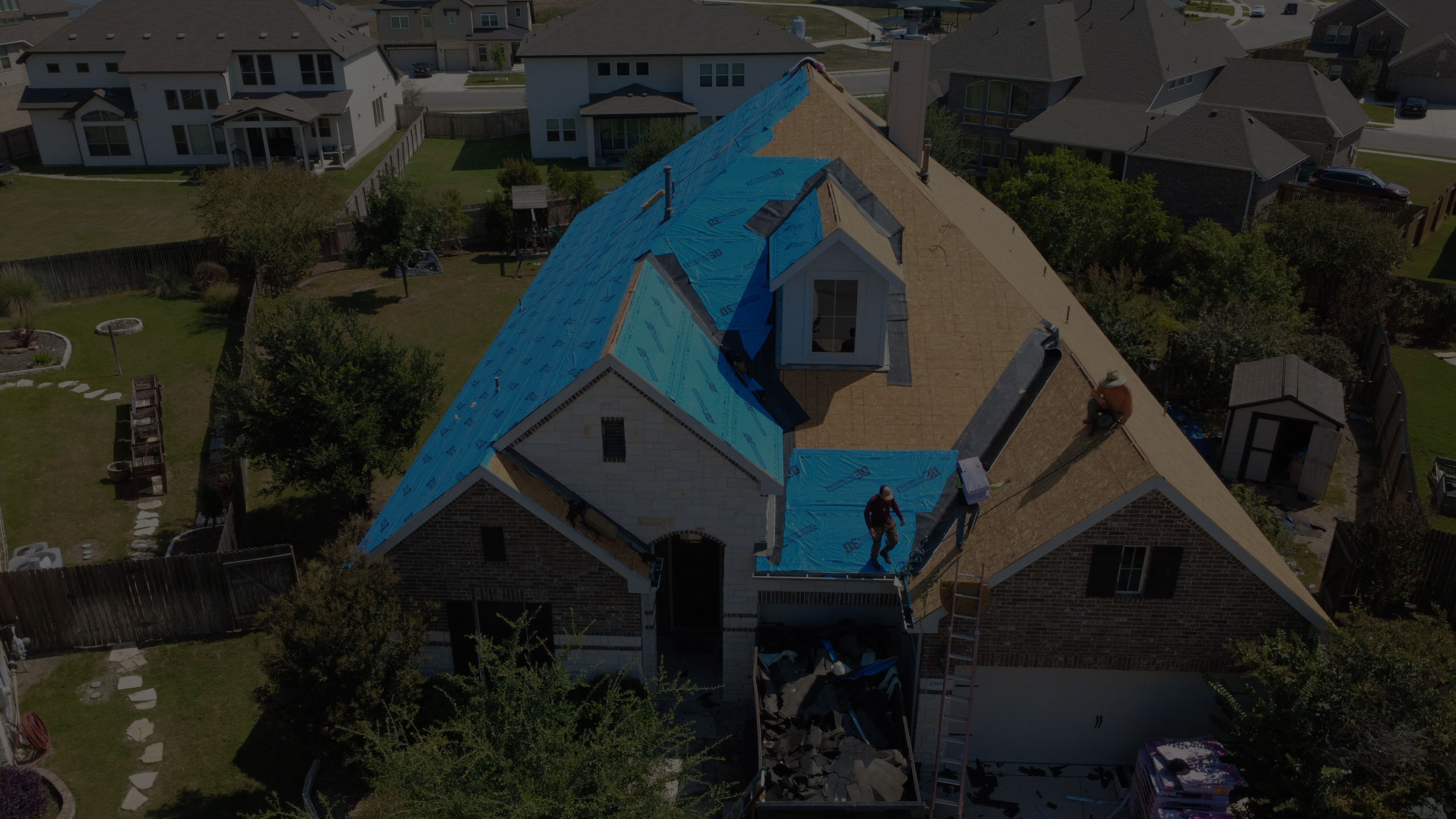
Once on the roof, the inspector checks for less obvious damage. Hail can create small punctures or cracks in asphalt shingles that aren't visible from below. Wind can lift shingles just enough to break the seal, creating a weak point that will eventually leak. The inspector also examines the underlayment, the waterproof layer beneath the shingles, because even if the shingles look fine, the underlayment may have been torn or punctured.
Other areas of focus include:

- Flashing around roof penetrations like skylights, vents, and chimneys, where wind-driven rain can force water under the roofing material
- Gutters and downspouts, which may be clogged with debris or dented by hail, preventing proper drainage
- Ridge caps and hip shingles, which are especially vulnerable to high winds
Each finding is noted and photographed. The inspector also checks for signs of previous repairs or existing damage that might complicate the current situation.
Documentation and the Insurance Claim
One of the most valuable parts of a storm damage inspection is the documentation. The inspector takes clear, well-lit photographs of every problem area, often with a scale reference like a ruler or a coin to show the size of hail dents or punctures. These photos become part of the claim documentation that you submit to your insurance company.
The inspector also writes a detailed report describing the damage, its likely cause, and the recommended scope of work, the specific repairs needed to restore the roof to its pre-storm condition. This report helps the adjuster understand the extent of the damage and speeds up the claims process. Without this documentation, you might have to rely on your own memory or a hasty description, which could lead to a lower settlement or a dispute.
During the inspection, the inspector may also note whether temporary repairs are needed to prevent further damage while you wait for the adjuster. Temporary repairs, like tarping a large exposed area or sealing a visible hole, are often covered by insurance policies as a way to mitigate additional loss. The inspector can advise on what's appropriate and safe to do yourself versus what requires a professional.
What the Report Tells You
After the inspection, you receive a written report that includes the restoration estimate, a detailed breakdown of the work required and the materials needed. This estimate is not a final bill; it's a planning tool. It helps you understand the scale of the job, and it gives the insurance adjuster a starting point for their own assessment.
The report also clarifies the difference between damage that is covered by your policy and damage that may not be. For example, if the storm caused wind uplift that tore off shingles, that's typically covered. But if the roof was already leaking from a pre-existing issue, the adjuster may consider that wear and tear, which is not covered. The inspector's report helps distinguish between the two, so you have a clear picture of what to expect.

The inspector may also explain your deductible, the amount you pay out of pocket before insurance kicks in. Understanding your deductible early helps you plan financially. If the damage is minor and the repair cost is close to your deductible, you might decide to pay for the repair yourself rather than file a claim. The inspector can give you a rough sense of the repair cost, but the final decision is up to you and your adjuster.
Working with an Adjuster
In many cases, the insurance company will send an adjuster to inspect the roof themselves. The adjuster's job is to verify the damage and approve the scope of work. Sometimes the adjuster's findings align with the inspector's report; sometimes they don't. If there's a disagreement, the inspector's documentation becomes your evidence. That's why thorough photographs and a detailed report are so important.
Regenesis Roofing & Restoration LLC is also on Instagram.
If you hire a roofing contractor to perform the inspection, that contractor may also provide the restoration estimate. This is where a local company like Regenesis Roofing & Restoration LLC can be helpful. They understand the local weather patterns, common storm damage issues, and the typical requirements of insurance claims in the area. Their inspection report is often accepted by adjusters as a reliable basis for the claim.
What Happens After the Inspection
Once the inspection is complete and the documentation is submitted, the next steps depend on the severity of the damage. Minor repairs, like replacing a few shingles or sealing a small leak, can often be scheduled quickly. Major damage, especially after a widespread storm, may require waiting for materials or for the contractor's schedule to open up.
During this waiting period, temporary repairs are crucial. A tarp secured over a damaged area can prevent water from entering your home and causing mold, rot, or structural issues. The inspector can recommend the best way to secure a tarp or apply a temporary sealant. Some homeowners choose to do this themselves, but if the roof is steep or the damage is extensive, it's safer to hire a professional.
Once the repair work begins, the contractor follows the scope of work outlined in the restoration estimate. The goal is to restore the roof to its pre-storm condition, using materials that match the original as closely as possible. In some cases, the insurance company may approve an upgrade, for example, replacing asphalt shingles with impact-resistant ones, but that depends on your policy and the adjuster's decision.
Why a Professional Inspection Matters
It can be tempting to climb up and look at your own roof after a storm. But a professional inspector has the training, tools, and experience to spot damage you might miss. They know how to identify hail damage on different roofing materials, how to tell if wind has loosened shingles without dislodging them, and how to check for hidden water intrusion in the attic or ceiling.
A professional inspection also gives you peace of mind. You don't have to wonder whether that small dent will turn into a big leak later. You have a clear, documented record of the damage and a plan for fixing it. And because the inspection is done as part of the storm restoration process, you're already connected with a contractor who can handle the repairs when the time comes.
Regenesis Roofing & Restoration LLC, located at 2302 John Tee Dr, Cedar Park, TX 78613, USA, provides roof inspections, repairs, replacements, hail damage restoration, and storm-related roofing services in Cedar Park, Leander, and nearby North Austin communities. You can reach them at +1 512-674-5979 for help after a storm.